
Alcohol associated liver disease
- Home
- Alcohol associated liver disease
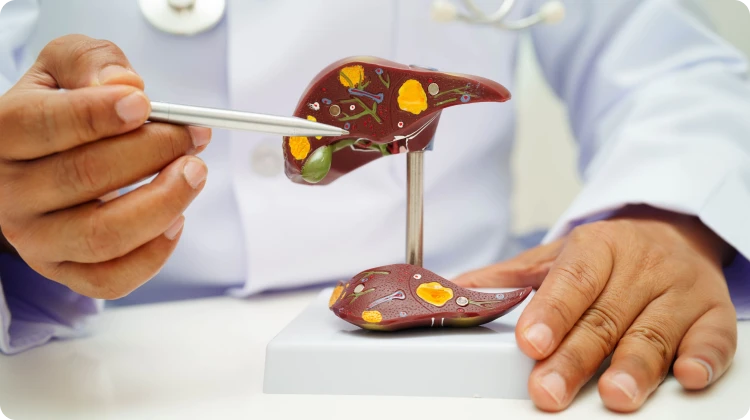
Alcohol-related liver disease refers to damage to the liver and impairment of its function caused by alcohol consumption. The risk of liver damage depends on both the amount and duration of alcohol intake.
How Alcohol Affects the Liver
The liver processes alcohol, but during this process, harmful substances are produced that can damage liver cells. Repeated exposure leads to:
- Inflammation (swelling)
- Scarring (fibrosis)
- Progressive loss of liver function
Long-term alcohol use can result in irreversible damage if not addressed early.
Stages of Alcohol-Related Liver Disease
- Alcohol-related liver disease typically progresses through the following stages:
- 1. Fatty Liver (Steatosis)
- Fat accumulation in liver cells
- Common in individuals who consume alcohol
- Reversible with complete abstinence
- 2. Alcoholic Hepatitis
- Inflammation of the liver due to heavy or binge drinking
- Can range from mild to severe
- May be life-threatening in advanced cases
- 3. Liver Cirrhosis
- Permanent scarring of the liver
- Progressive and irreversible in advanced stages
- Can lead to multiple complications
Safe Alcohol Consumption
There is no completely safe level of alcohol consumption.
- 1 unit = 10 g alcohol (≈ 30 ml spirits / 150 ml wine / 350 ml beer)
Lower-risk limits:
- Men: Less than 14 units/week
- Women: Less than 7 units/week
Even small amounts over a long period can increase the risk of liver disease and certain cancers.
Risk Factors
- Not everyone who drinks develops liver disease. Risk increases with:
- Long-term heavy alcohol consumption
- Binge drinking (4–5 drinks within 2 hours)
- Female gender (higher sensitivity)
- Obesity, diabetes, high cholesterol
- Genetic predisposition
- Pre-existing liver diseases (e.g., Hepatitis B or C)
Symptoms
- Symptoms vary depending on the stage of liver damage:
- Early Stage (Fatty Liver):
- Often no symptoms
- Fatigue, mild abdominal discomfort, nausea
- Advanced Disease:
- Loss of appetite and weakness
- Jaundice (yellowing of eyes and skin)
- Swelling in abdomen and legs
- Vomiting blood or black stools
- Confusion or behavioral changes
- Increased infections
Diagnosis
- Diagnosis is based on:
- Detailed history of alcohol consumption
- Physical examination
- Blood tests (liver function tests, INR)
- Imaging (Ultrasound, CT scan, MRI)
- Liver biopsy (in selected cases)
Complications
- If untreated, alcohol-related liver disease can lead to:
- Portal Hypertension: Increased pressure in liver blood vessels
- Varices: Enlarged veins that may bleed
- Ascites: Fluid buildup in the abdomen
- Hepatic Encephalopathy: Confusion due to toxin buildup
- Liver Cancer
- Malnutrition and muscle loss
- Frequent infections
Treatment & Management
The most important step is complete abstinence from alcohol.
- Early Stage (Fatty Liver):
- Reversible with lifestyle changes
- Healthy diet and regular exercise
- Advanced Disease:
- Hospitalization may be required
- Medications and supportive care
- Regular monitoring for complications
- Cirrhosis:
- Long-term follow-up
- Management of complications
- Screening for liver cancer
- Management of Complications:
- Ascites: Salt restriction, medications, fluid removal
- Varices: Regular endoscopy screening
- Encephalopathy: Medication and monitoring
- Cancer Screening: Ultrasound + blood tests every 6 months
- Lifestyle & Prevention:
- Completely avoid alcohol
- Maintain a balanced, high-protein diet
- Exercise regularly
- Avoid self-medication and herbal remedies
- Consult a doctor before taking any medicines
- When is Liver Transplant Needed?
- Liver transplantation may be required in:
- Advanced cirrhosis
- Liver failure
- Severe disease not responding to treatment
- It is a life-saving option for selected patients.
FAQ's
What is it?
Liver damage caused by chronic alcohol consumption, ranging from fatty liver to cirrhosis and liver failure.
Symptoms?
Fatigue, jaundice, abdominal swelling, nausea, confusion in advanced stages
Diagnosis?
History of alcohol intake, blood tests (liver function), imaging, sometimes biopsy
Treatment?
Alcohol abstinence, nutritional support, management of complications, monitoring, liver transplantation in advanced cases
Patients feedback
A turning point I didn’t know I needed
Honest guidance that helped me change my life
Consult For
Get an Appointment
Schedule your appointment today and take the first step toward better liver health.