
Hepatitis B Infection
- Home
- Hepatitis B Infection
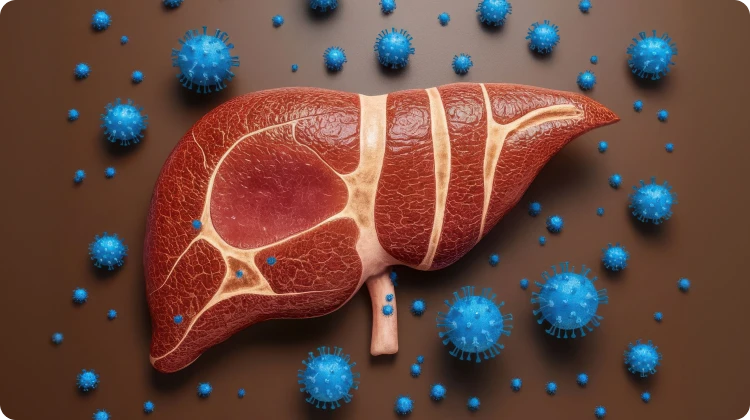
Hepatitis B is a viral infection that affects the liver and is transmitted through blood and certain body fluids. It can present as a short-term (acute) illness or progress to a long-term (chronic) condition that may lead to serious liver damage if not monitored or treated appropriately.
Types of Hepatitis B
1. Acute Hepatitis B (First 6 Months)
- Early phase after infection
- Often mild or without symptoms
- Most adults recover completely
2. Chronic Hepatitis B (More than 6 Months)
- Long-term infection
- May lead to liver damage over time
- 3. Key facts:
- Adults: ~95% clear the virus naturally
- Infants: ~90% develop chronic infection due to weaker immunity
How Hepatitis B Spreads
- Modes of Transmission
- Unprotected sexual contact
- Transfusion of infected blood
- Needle-stick injuries (especially healthcare workers)
- Unsterilized medical or cosmetic equipment (tattoo, piercing, etc.)
- Sharing needles (IV drug use)
- Sharing sharp objects (blades, razors)
- Mother-to-child transmission during pregnancy or childbirth
Does NOT Spread Through
- Coughing or sneezing
- Hugging or handshakes
- Sharing food or utensils
- Casual contact
Prevention
- Hepatitis B is preventable with vaccination
- The vaccine is safe, effective, and provides long-term protection
Symptoms
- Hepatitis B is often silent, especially in early stages.
- When symptoms occur:
- Fever
- Fatigue and body aches
- Loss of appetite
- Nausea and vomiting
- Abdominal pain
- Dark urine
- Jaundice (yellowing of eyes and skin)
- Severe cases (medical emergency):
- Confusion or excessive drowsiness (acute liver failure)
Long-Term Risks (Chronic Infection)
- Liver cirrhosis (permanent scarring)
- Liver cancer
- Liver failure
- Early detection and regular monitoring help prevent these complications.
Diagnosis
- Hepatitis B is diagnosed through blood tests and imaging:
- Blood Tests
- HBsAg: Indicates current infection
- HBsAb: Indicates immunity (vaccination/past infection)
- HBcAb IgG: Indicates past exposure
- HBV Viral Load: Measures virus activity
- Liver Function Tests (ALT, AST): Assess liver damage
Imaging
- Is Hepatitis B Curable?
- There is no complete cure in most cases
- Treatment focuses on controlling the virus and preventing liver damage
Who Needs Treatment?
- Not all patients require medication. Decision is based on:
- Viral load
- Liver condition
- Blood test results
- Family history
Medications
- Daily antiviral tablets:
- Entecavir
- Tenofovir (TDF / TAF)
- Benefits:
- Suppress the virus
- Reduce liver damage
- Improve liver function
Advanced Disease
- If complications develop:
- Hospital care may be required
- Liver transplantation may be needed in severe cases
Complications if Untreated
- Cirrhosis
- Liver failure
- Liver cancer
- Ascites (fluid in abdomen)
- Internal bleeding (vomiting blood, black stools)
- Confusion due to toxin buildup Many patients remain symptom-free for years, making regular check-ups essential.
Who Should Get Tested?
- Healthcare workers
- People with multiple sexual partners
- Patients requiring frequent blood transfusions
- Dialysis patients
- Injection drug users
- Family members of infected individuals
- Patients on chemotherapy or long-term steroids
- Individuals planning organ transplant
Pregnancy & Mother-to-Child Transmission
- Risk of transmission depends on viral load and HBeAg status.
- High viral load → 70–90% risk without prevention
- Antiviral treatment may be started in late pregnancy
- To give the Child - After birth (within 12 hours):
- Hepatitis B vaccine
- Hepatitis B immunoglobulin
- These significantly reduce transmission risk.
Importance of Regular Follow-Up
- Monitor liver health
- Track viral activity
- Detect complications earlyity
- Adjust treatment when needed
When is Liver Transplant Needed?
- Liver transplantation may be required in:
- Advanced cirrhosis
- Liver failure
- Liver cancer
FAQ's
What is hepatitis B?
A viral infection that causes liver inflammation, which may become chronic and lead to cirrhosis or liver cancer.
Symptoms?
Jaundice, fatigue, nausea, abdominal pain, joint pain
Diagnosis?
Blood tests for hepatitis B surface antigen (HBsAg) and viral DNA
Treatment?
Antiviral medications, regular liver monitoring, for prevention
Patients feedback
When my husband was diagnosed, our first reaction was fear, especially about how it spreads. We had so many misconceptions. The doctor patiently explained everything, including what is safe and what isn’t. We also got vaccinated as a family, which gave us peace of mind. Today, his condition is well-managed, and as a family, we feel informed, prepared, and much more at ease.
When I was diagnosed with Hepatitis B during a routine check-up, I was extremely anxious, especially because I had no symptoms. I kept thinking about the worst-case scenarios. What really helped was how clearly everything was explained to me, the difference between acute and chronic, what my reports meant, and whether I even needed treatment. With regular monitoring and guidance.
Consult For
Get an Appointment
Schedule your appointment today and take the first step toward better liver health.